
20 Yard Dumpster Rental in Denver: When This Size Makes Sense
Jake Harlow
September 9, 2026 · 9 min read
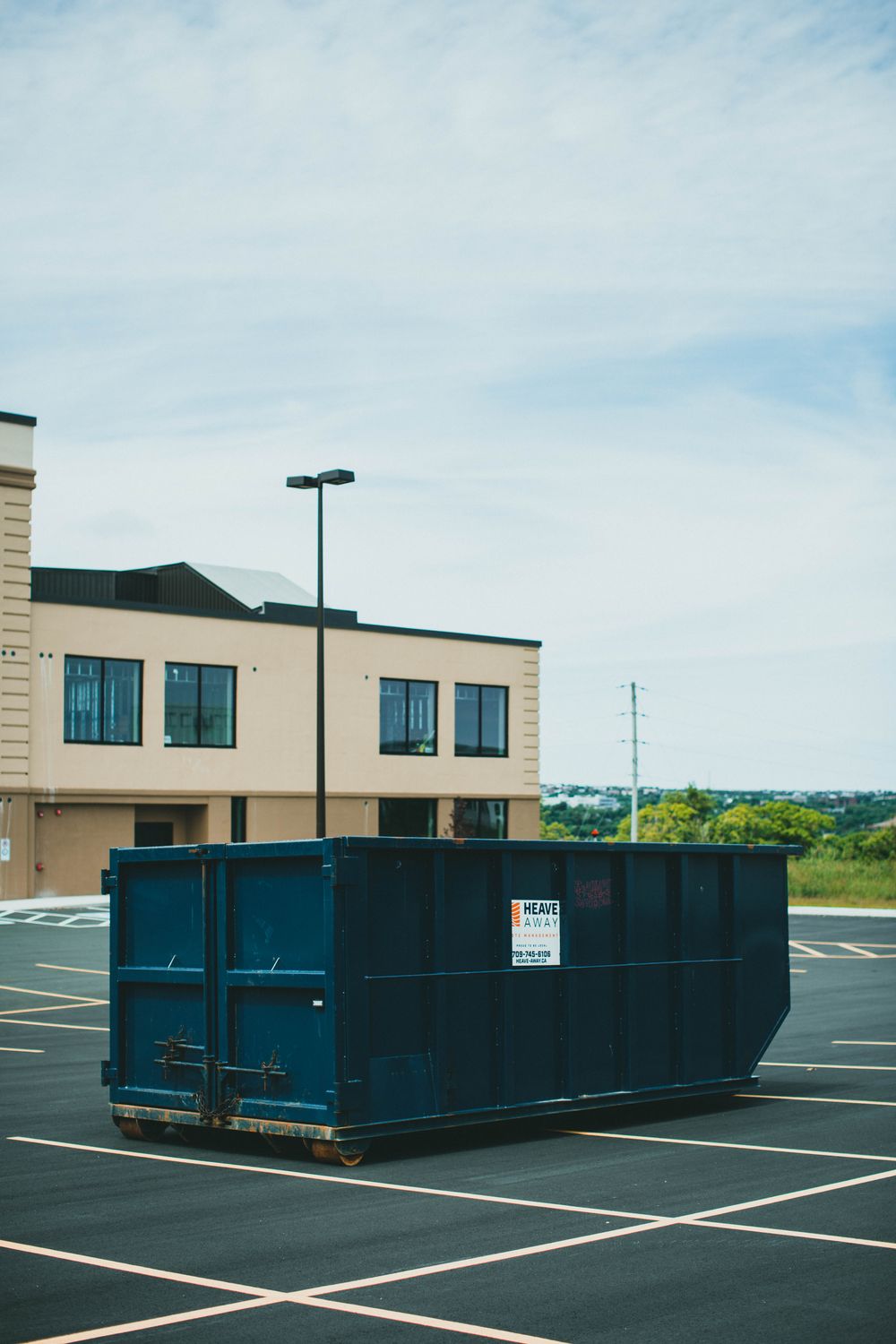
A 20-yard dumpster is the right container for most Denver residential projects. Roof tear-offs, kitchen guts, whole-home cleanouts, and the bathroom that has been on the list since the last owner — the 20-yard handles all of it. It is the most commonly rented residential roll-off in the Denver metro, and that is not an accident.
The part that trips people up is not the size. It is the weight limit. And in Denver — where a lot of the renovation work involves older tile, hail-damaged roofing, and the kind of kitchen that has a mortar-bed floor under the linoleum — that distinction matters. (The mortar bed always finds a way to make itself known.)
Here is when to book a 20-yard, when to downsize to a 10, when to go up to a 30, and what Denver-specific factors — the no-alley rule, older driveway dimensions, street permits — change the calculation.
TL;DR
A 20-yard dumpster fits most roofing jobs, kitchen remodels, and home cleanouts. Heavy debris — concrete, tile, roofing shingles — can hit the weight limit before the bin looks full. Driveway placement avoids the street permit process, and Denver does not allow containers in public alleys. Confirm the weight limit and delivery access before booking.
What a 20-Yard Dumpster Actually Holds
A 20-yard container holds 20 cubic yards of debris. Think of it as roughly six to eight full pickup truck loads of loose household material. The physical footprint is typically about 22 feet long, 8 feet wide, and 4 feet tall — low enough to load without a ladder, long enough to fit most residential driveways.
The cubic-yard number describes volume. It says nothing about weight. A 20-yard container carries a weight limit — typically 2–4 tons depending on the provider. Light material like furniture, carpet, and drywall rarely gets close to that ceiling. Dense material like concrete, roofing shingles, ceramic tile, and soil can hit the limit at half capacity. That is the distinction worth understanding before the project starts, not after the invoice arrives.
For a full breakdown of dimensions and what typical project materials actually weigh, see the 20-yard dumpster rental guide. This page covers what changes when that container is in Denver specifically.
Denver Projects Where a 20-Yard Makes Sense
Denver's housing stock has a renovation cycle that generates steady 20-yard demand. The bungalows, foursquares, and craftsman homes throughout Park Hill, Highlands, Washington Park, Baker, and Capitol Hill are at the age where major systems are failing and first-generation finishes are finally getting replaced. In the suburbs — Lakewood, Aurora, Englewood, Littleton, Westminster, Thornton — the 1970s and 1980s ranches are going through their first serious gut. There is a lot of tile out there. And mortar. And the occasional cast iron tub that someone is very proud of having kept.

| Project | 20-Yard Fit | Weight Watch |
|---|---|---|
| Roofing tear-off | Yes, for most residential roofs | Shingles hit weight limits fast — confirm limit before booking |
| Kitchen gut | Yes | Stone countertops and tile floors push weight — know your mix |
| Bathroom remodel | Yes, if tile and tub are going | Cast iron tub and mortar bed are dense; verify weight limit |
| Whole-home cleanout | Yes, for most 3-bedroom homes | Furniture and household goods are light — weight rarely an issue |
| Flooring removal — tile | Yes | Tile and mortar hit weight limits before the bin looks full |
| Flooring removal — carpet/LVP | A 10 usually fits | Light material — volume, not weight, is the constraint |
| Garage cleanout | Rarely needed — 10 usually fits | Step up if the garage also serves as storage or a workshop |
Denver sees heavy roofing demand after significant hail seasons — and along the I-25 and I-70 corridors, a bad hail event can put every roofing crew in the metro to work simultaneously. When that happens, availability for 20-yard containers tightens fast. If your neighborhood took a hit and you are scheduling a tear-off, book the container when you book the roofing crew, not after.
For Denver-specific roofing dumpster considerations, see the roofing dumpster rental guide. For kitchen and bathroom remodel specifics, the kitchen remodel guide and bathroom remodel guide cover what heavy debris mixes do to the weight calculation.
When the 10-Yard Is the Right Call
The 10-yard makes sense when the project is genuinely smaller than a full room gut. A single-car detached garage cleanout in Highlands or Baker usually fits a 10. A bathroom remodel where only the vanity and toilet are swapped fits a 10. A carpet-only flooring swap in one or two rooms fits a 10.
It also makes sense when the debris is dense. A 10-yard container loaded with concrete, brick, or old mortar-bed material costs less than a 20-yard pushed past its weight limit on the same load. Weight limits, not volume, are the binding constraint on heavy material. For concrete-heavy projects specifically — patio demolition, driveway sections, old retaining walls — ask about a heavy-debris container. The concrete dumpster guide has the calculation.
The 10-yard dumpster rental guide covers what fits, when to step up, and how the weight limit works in practice. For Denver pricing and placement on the smaller size, see 10 yard dumpster rental in Denver. And the garage cleanout guide covers how to size the container based on what has actually accumulated.
When the 30 Makes More Sense
The 20-yard runs short on multi-phase jobs. Kitchen gut happening at the same time as the bathroom tear-out: go to a 30. Full estate cleanout of a 4-bedroom home with decades of accumulated contents: plan for a 30 or a second pull. Basement included in the cleanout: add significant volume — basements hold more than people estimate.
Any project involving structural demolition — concrete slabs, load-bearing walls, block or brick — should be sized by weight first and volume second. The demolition dumpster guide walks through how to size containers for mixed heavy-debris projects. The 30-yard guide covers when stepping up saves you the cost and logistics of a second haul.
Weight Limits: The Number That Changes Everything
A standard 20-yard container in Denver allows 2–4 tons of debris. That range is real — providers set their own limits, and the number in your quote is the number that counts. Ask for it before booking.
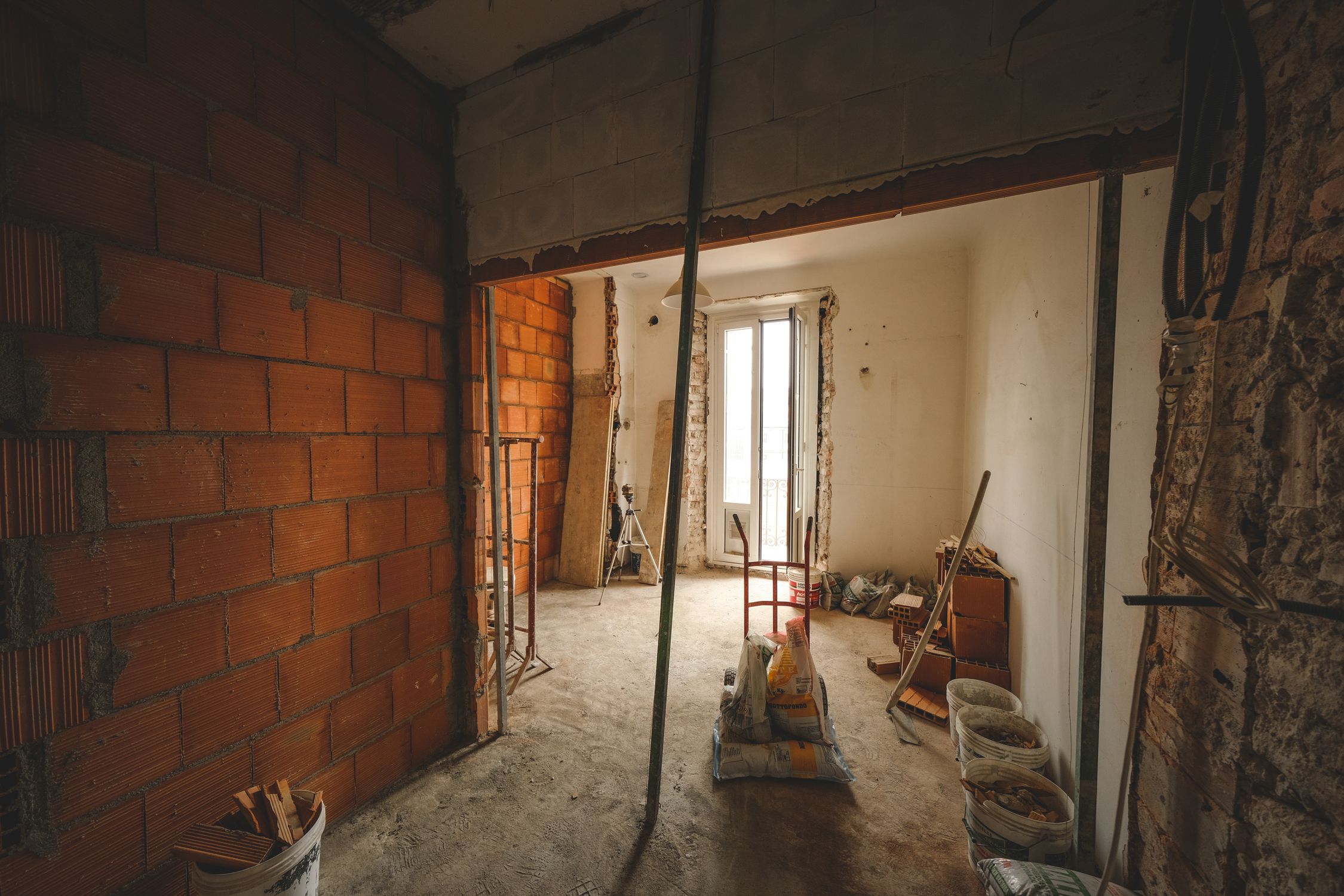
Here is what common Denver renovation materials weigh: roofing shingles run roughly 1.5–2.5 tons per cubic yard of material. Ceramic tile and mortar bed are similar. A full residential roof tear-off on a medium-sized Denver home commonly produces 3–5 tons of shingles. If the weight limit on the 20-yard is 2 tons, the math does not work in your favor.
The rule of thumb for Denver projects: if the project involves roofing, significant tile demo, or any concrete, ask the provider specifically what the weight limit is and what the overage rate is per ton. That conversation takes two minutes. The overweight invoice shows up Tuesday morning after the pickup Friday. One of those conversations is better to have than the other.
For a full breakdown of how Denver dumpster pricing works, where overweight charges come from, and what to verify before confirming a quote, see what a dumpster rental actually costs. For a framework on choosing the right size for your specific project, the sizing guide walks through the decision by project type.
Placing a 20-Yard Dumpster in Denver
Denver's older neighborhoods and suburban metro areas present different placement situations. The container that lands cleanly in a Centennial driveway may need more planning in a Capitol Hill block with a short, side-lot driveway and a garage alley behind it.
Driveway placement is the simplest option in most cases. It does not usually require a permit, it keeps the container off the street, and it is what the driver prefers. Most standard single-car driveways in the Denver metro can accommodate a 22-foot container. Shorter or sloped driveways in Highlands, Baker, Five Points, and Capitol Hill may be tighter than they look from the street. Measure the usable driveway length and confirm access with the provider before booking.
Alley placement is not an option in Denver. Homes in Park Hill, Montclair, Cole, Sloan's Lake, and many inner-city blocks have detached garages off the alley, and the alley looks like the obvious spot. DOTI's dumpster information sheet says a container may not occupy or obstruct an alley, sidewalk, tree lawn, or travel lane. If you have a parking pad on your own lot, ask the provider whether a smaller container fits there without any part of it sitting in the alley.
Street placement requires a Revocable Street Occupancy Permit from Denver's Department of Transportation and Infrastructure (DOTI). DOTI says the dumpster company placing the container must obtain it, and the container has to sit in the parking lane at least 20 feet from any corner, alley, or entrance. Do not place a container in the public right-of-way without a permit. For more on the permit question across Colorado municipalities, see the guide on dumpster rental permits. For the City and County of Denver specifically, the Denver dumpster permit guide covers who pulls the permit, where the container can sit, and the current fee schedule.
In suburban Denver — Aurora, Lakewood, Littleton, Thornton, Westminster, Englewood, Commerce City — residential driveways tend to be wider and longer. Street placement is often less constrained. HOA rules in planned communities can add their own layer of restrictions on container placement, duration, and visibility. Check your CC&Rs before booking if the neighborhood has an active HOA.
How to Compare Denver Dumpster Rental Quotes
Denver 20-yard quotes vary with real variables: your delivery location within the metro, the provider's haul distance to a licensed landfill, the weight limit included in the base price, and whether delivery and fuel are bundled or listed separately.
When you get a quote, ask these four things before confirming:
- What is the weight limit included in this price?
- What is the overage rate per ton if I go over?
- Is delivery and fuel included, or are those separate?
- What is the exact rental period — 7 days, 10, or 14?
The lowest base quote with a 1-ton weight limit is not the cheapest quote for a roofing job. Do the math on your actual project weight before comparing base rates.
For Denver metro dumpster rental coverage — including Aurora, Lakewood, Englewood, and surrounding communities — see the Denver metro locations guide. For the full Denver city page with pricing by container size, see Denver dumpster rental. For Colorado dumpster rental more broadly, the Colorado locations page covers the state.
Straight Answers
Is a 20-yard dumpster big enough for a Denver home cleanout?
Yes, for most 3-bedroom homes. A 20-yard handles furniture, carpet, and general household goods without a second haul. For larger homes or cleanouts that include the basement, plan for a 30-yard or factor in a second pull from the start. Furniture and household goods are light — weight limits are rarely the issue on a standard cleanout.
Can I use a 20-yard dumpster for roofing in Denver?
Yes, for most residential roofs. The 20-yard is the standard roofing container in Denver, especially during active hail seasons when demand is high. Shingles are heavy — most 20-yard containers allow 2–4 tons, and a larger residential roof can approach or exceed that limit. Confirm the weight limit with your provider before the crew loads. If the roof is large, ask about a swap-out mid-job rather than an overweight charge at the end.
Is a 20-yard dumpster too big for a Denver driveway?
Not usually. A standard 20-yard container is roughly 22 feet long — that fits most residential driveways in the Denver metro. Older, shorter driveways in Capitol Hill, Highlands, Baker, and similar neighborhoods can be tighter. Measure the usable driveway length and confirm with the provider before delivery day if access looks close.
Can a 20-yard dumpster go in a Denver alley?
No. DOTI's dumpster information sheet says a container may not occupy or obstruct an alley, sidewalk, tree lawn, travel lane, or no-parking zone. Permitted street placements go in the parking lane at least 20 feet from any corner, alley, or entrance. If your garage sits off the alley, look at the driveway, a parking pad on your own lot, or a permitted spot at the curb.
Do I need a permit for a 20-yard dumpster in Denver?
Not on your own driveway or private property. Street placement requires a Revocable Street Occupancy Permit from Denver's Department of Transportation and Infrastructure (DOTI), and DOTI says the dumpster company placing the container must pull it. Ask your provider to confirm the permit is in place before delivery.
What should not go in a 20-yard dumpster?
Hazardous materials are not accepted: liquid paint, solvents, motor oil, propane tanks, batteries, tires, and appliances with refrigerants. The specific prohibited list varies by provider and the landfill they use. Ask for the restricted items list before loading — not while standing next to a full bin on pickup day.
Is a 10-yard or 20-yard better for heavy debris like tile or concrete?
For heavy debris specifically, the 10-yard often makes more financial sense. A 10-yard container positioned as a heavy-debris bin stays within the weight limit and avoids overage charges. A 20-yard pushed past its weight limit on a load of tile and concrete costs more than sizing down from the start. Discuss your specific debris mix with the provider before choosing the container size.
How do I compare 20-yard dumpster rental quotes in Denver?
Compare total cost, not base price. Get the weight limit and overage rate per ton from each provider, confirm whether delivery and fuel are included, and clarify the exact rental period. A lower base quote with a 1-ton weight limit can cost significantly more than a higher base quote with a 3-ton limit on any project involving shingles, tile, or concrete. The number that matters is the final invoice — work backward from that.
One bin, one project phase, the right weight limit confirmed before booking. That is the whole formula. The shingles that went over the limit already figured this out for someone else — no need to repeat their experiment.
Frequently Asked Questions
- Is a 20-yard dumpster big enough for a Denver home cleanout?
- Yes, for most 3-bedroom homes. A 20-yard handles furniture, carpet, and general household goods without a second haul. For larger homes or cleanouts that include the basement, plan for a 30-yard or factor in a second pull. Furniture and household goods are light — weight limits are rarely the issue on a standard cleanout.
- Can I use a 20-yard dumpster for roofing in Denver?
- Yes, for most residential roofs. The 20-yard is the standard roofing container in Denver, especially during hail seasons. Shingles are heavy — most 20-yard containers allow 2–4 tons, and a larger residential roof can approach or exceed that limit. Confirm the weight limit with your provider before the crew loads.
- Is a 20-yard dumpster too big for a Denver driveway?
- Not usually. A standard 20-yard container is roughly 22 feet long — that fits most residential driveways in the Denver metro. Older, shorter driveways in Capitol Hill, Highlands, Baker, and similar neighborhoods can be tighter. Measure the usable driveway length and confirm with the provider before delivery day if access looks close.
- Can a 20-yard dumpster go in a Denver alley?
- No. DOTI's dumpster information sheet says a container may not occupy or obstruct an alley, sidewalk, tree lawn, travel lane, or no-parking zone. Permitted street placements go in the parking lane at least 20 feet from any corner, alley, or entrance. If your garage sits off the alley, look at the driveway, a parking pad on your own lot, or a permitted spot at the curb.
- Do I need a permit for a 20-yard dumpster in Denver?
- Not on your own driveway or private property. Street placement requires a Revocable Street Occupancy Permit from Denver's Department of Transportation and Infrastructure (DOTI), and DOTI says the dumpster company placing the container must pull it. Ask your provider to confirm the permit is in place before delivery.
- What should not go in a 20-yard dumpster?
- Hazardous materials are not accepted: liquid paint, solvents, motor oil, propane tanks, batteries, tires, and appliances with refrigerants. The specific prohibited list varies by provider and landfill. Ask for the restricted items list before loading — not while standing next to a full bin on pickup day.
- Is a 10-yard or 20-yard better for heavy debris like tile or concrete?
- For heavy debris specifically, the 10-yard often makes more financial sense. A 10-yard container positioned as a heavy-debris bin stays within the weight limit and avoids overage charges. A 20-yard pushed past its weight limit on a concrete or tile load costs more than sizing down from the start. Discuss your debris mix with the provider before choosing.
- How do I compare 20-yard dumpster rental quotes in Denver?
- Compare total cost, not base price. Get the weight limit and overage rate per ton from each provider, confirm whether delivery and fuel are included, and clarify the exact rental period. A lower base quote with a 1-ton weight limit can cost significantly more than a higher base quote with a 3-ton limit on any project involving shingles, tile, or concrete.
Ready to Find the Best Price?
Compare quotes from vetted local companies. No hidden fees, no oversized containers.
Get a Free Quote