
Flooring Removal Dumpster Rental: Carpet, Tile, Hardwood, and Weight Limits
Jake Harlow
August 25, 2026 · 9 min read
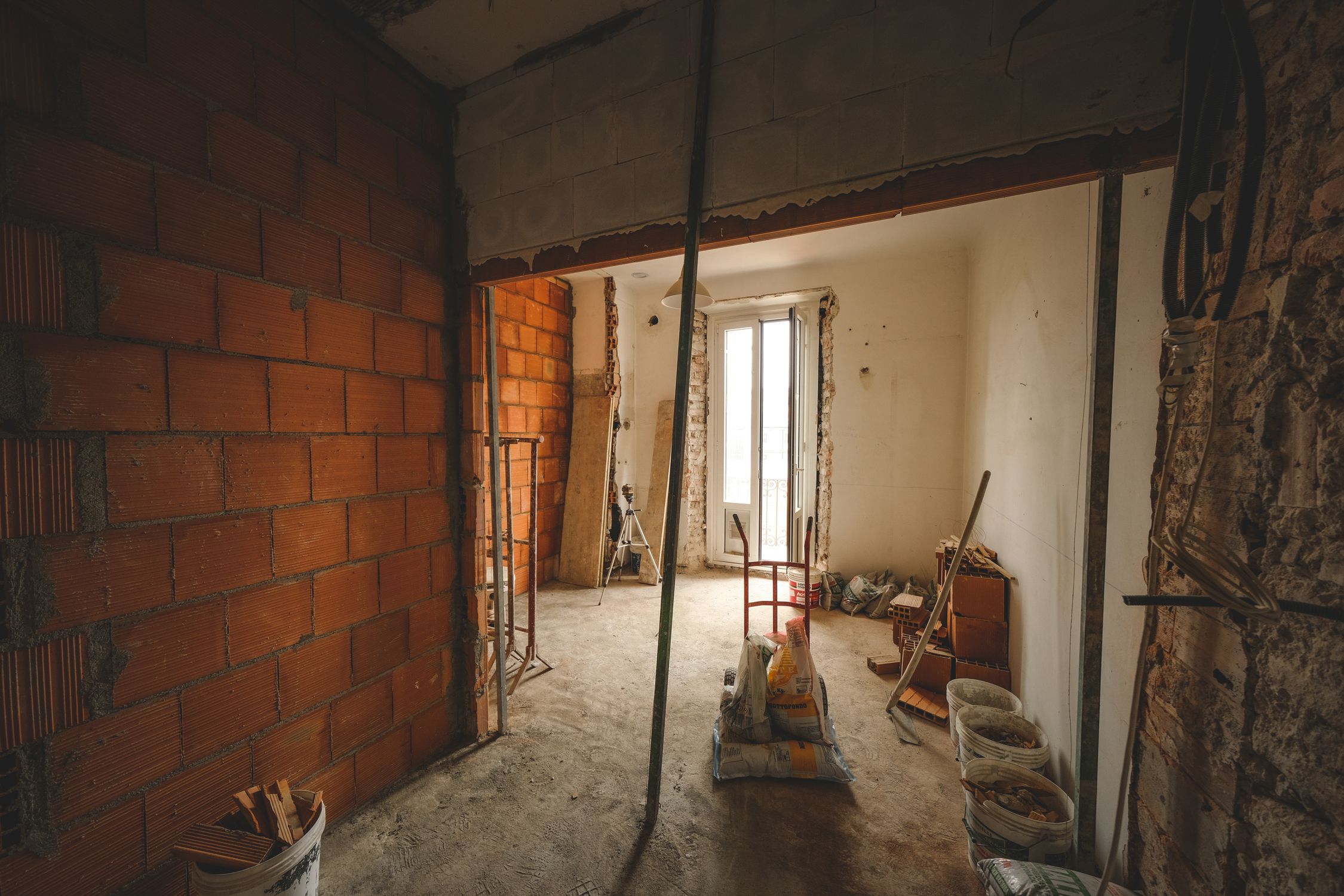
Flooring removal always takes two days. The first day you pull up the carpet. The second day you figure out what the previous owner was hiding underneath it.
The actual answer on flooring removal dumpster rental: size the container around what the flooring is made of, not how many square feet you are pulling. Carpet and laminate are volume problems — they fill the bin before they hit weight limits. Tile, mortar, and stone are weight problems — they hit the weight limit before the bin looks full. Most overweight charges on flooring jobs come from the layer nobody asked about before booking the container.
TL;DR
Most flooring jobs fit a 10 or 20-yard container. Carpet, wood, and vinyl are mostly volume; tile and mortar are mostly weight. Describe the specific flooring materials to your provider before booking and ask about the weight allowance upfront — that one conversation prevents most of the invoicing surprises.
The Material Is What Determines the Container
Square footage matters. What is under the floor matters more. Two 500-square-foot flooring removal jobs can produce debris that varies by 8,000 pounds or more depending on the material.
| Flooring Type | Approx. Weight (per sq ft) | 500 sq ft — Estimated Total | Binding Limit |
|---|---|---|---|
| Vinyl plank / LVP | 0.5–1 lb | 250–500 lbs | Volume |
| Laminate flooring | 1–2 lbs | 500–1,000 lbs | Volume |
| Carpet + pad | 3–5 lbs | 1,500–2,500 lbs | Volume |
| Solid hardwood | 2–4 lbs | 1,000–2,000 lbs | Volume |
| Ceramic / porcelain tile (thin-set) | 7–14 lbs | 3,500–7,000 lbs | Weight |
| Tile + cement board underlayment | 10–19 lbs | 5,000–9,500 lbs | Weight |
| Tile + thick mortar bed (pre-1985 installs) | 15–20+ lbs | 7,500–10,000+ lbs | Weight |
| Natural stone (slate, travertine, marble) | 12–20 lbs | 6,000–10,000 lbs | Weight |
The numbers above are approximate — they depend on tile thickness, mortar application depth, and whether the subfloor is coming out too. But the direction is reliable. Carpet, wood, laminate, and vinyl are volume-constrained. Tile, stone, and mortar are weight-constrained. A job that mixes both can hit either limit depending on what goes in first.
Subfloor material is what people miss. Plywood subfloor adds about 1.5–2 lbs per square foot. Cement board adds 3–5 lbs per square foot. Neither number is alarming on its own, but combined with a tile removal they push the total considerably higher.

Tile and Mortar: Where the Weight Comes From
Here is the thing about tile: the tile is rarely the problem. The installation underneath it is the problem.
Modern tile installs use thin-set mortar — a cement-based adhesive applied in a thin layer before the tile is set. That adds roughly 3–6 lbs per square foot to the tile weight, which is manageable.
Older installs — particularly in homes built before 1985 — commonly used a mud-set method. A thick mortar bed, usually 1 to 1.5 inches, was floated over the subfloor before the tile was pressed in. That bed alone adds 10–15 lbs per square foot before you have counted the tile itself. A 300-square-foot bathroom with a mud-set floor can produce 4,500–6,000 lbs of debris from that one room. (That is more than two tons from a single bathroom. The math on tile has a way of clarifying things quickly.)
Mortar does not come out as fine powder when broken — it comes out in chunks. Those chunks stack in the bin like concrete blocks. I have seen 10-yard containers hit their weight limit with the bin looking less than a third full. Dense debris hits weight limits at a fraction of the visual capacity, which is exactly the kind of thing that generates surprised phone calls after the invoice arrives.
Natural stone — travertine, slate, marble — is heavier than standard ceramic. If the project includes a stone tile installation over a mortar bed, describe that specifically when requesting a quote. The weight allowance and the container recommendation may both change. For more on how dense materials affect the sizing decision, the concrete and heavy debris dumpster guide covers the same weight-over-volume math in depth.

Sizing the Container: 10, 20, or Skip the 30
A 10-yard container handles most single-room light flooring removals — carpet, LVP, or laminate in a bedroom, living room, or office. It manages about 400–600 square feet of light material without difficulty, and keeps the rental cost down. If the same room has tile, the weight math shifts — 300 square feet of ceramic tile with thin-set can approach the typical 2-ton weight allowance on a 10-yard.
A 20-yard is the standard choice for whole-house flooring removal when the material is mostly carpet, hardwood, laminate, or LVP. It also works for moderate tile removal in the 400–700 square foot range, depending on mortar thickness. For a bathroom remodel or kitchen remodel that includes flooring alongside other demo debris, a 20-yard usually handles the combined load. More on general sizing in the dumpster size guide.
A 30-yard is rarely needed for flooring-only removal. For most residential flooring jobs, the 20-yard has more than enough volume. A 30-yard makes sense when flooring removal is part of a larger renovation — a gut that includes walls, ceilings, fixtures, and flooring all going into the same container. For flooring alone, a 30-yard is the equivalent of renting a moving truck for a studio apartment. It fits everything. Nobody will thank you for the extra cost.
| Container | Common Weight Limit | Best for |
|---|---|---|
| 10 Yard | 1–2 tons (confirm) | Single room, light flooring only |
| 20 Yard | 2–4 tons (confirm) | Whole-house light flooring; moderate tile |
| 30 Yard | 3–5 tons (confirm) | Flooring combined with full renovation gut |
Prices vary by region, haul distance, and landfill disposal fees. Always confirm the included weight allowance in the quote, not just the base price. The weight limit is where most flooring jobs produce an invoice that does not match the estimate. More detail in what dumpster rental actually costs.
When a Smaller Heavy-Debris Container Is the Smarter Call
Some providers offer dedicated heavy-debris containers — lower-profile bins designed specifically for dense material. They hold less volume than a standard 20-yard but carry a higher weight-per-yard ratio, which is what a tile-and-mortar job actually needs.
If the flooring project is almost entirely clean tile, mortar, and stone — no mixed renovation debris — it is worth asking your provider whether a heavy-debris container is available. The comparison to run: does a smaller heavy-debris container (with a higher weight limit) compare favorably in price to a standard 20-yard roll-off? For jobs that are weight-bound rather than volume-bound, the smaller container sometimes allows more material at a lower total cost.
This option is not universal. Not every provider carries them. But it is the right question to ask before booking a standard container for a job that is mostly dense material.
What Usually Cannot Go in a Flooring Removal Dumpster
Most flooring materials go in a standard roll-off without issue: carpet, pad, tack strips, hardwood, laminate, LVP, ceramic tile, cement board, and packaging from new materials. A few categories need attention before the demo starts.
Pre-1986 vinyl tile and sheet vinyl. Older vinyl flooring — particularly 9-inch and 12-inch vinyl tiles and sheet vinyl installed before 1986 — commonly contains asbestos fibers. The material looks ordinary. Old black mastic adhesive underneath may also be asbestos-containing. Disturbing asbestos-containing material during demolition releases fibers that are a serious inhalation hazard. If the floor is original to a pre-1986 home, have it tested before removing anything. The EPA's guidance on asbestos in the home covers testing requirements and next steps. Licensed abatement contractors handle the removal. This is not a roll-off dumpster project until abatement is complete.
Solvent-based adhesives and floor stripping chemicals. Wood floor adhesive (mastic), urethane adhesive, and chemical floor strippers are commonly classified as hazardous waste in liquid form. Do not put liquid chemicals in the bin. Flooring debris with dried adhesive residue on it — old hardwood with dried mastic underneath, for example — is generally accepted. The concern is the chemical in liquid form, not dried adhesive on removed material.
Liquid paint. If the project involves clearing out old paint cans alongside the flooring, do not put liquid paint in the container. Dry latex paint is usually fine. Wet or liquid paint is not. Rules vary by hauler — confirm before loading anything you are uncertain about.
Accepted materials and restrictions vary by hauler, landfill, and municipality. A quick call before the delivery is always worth the ten minutes. More on what goes in and what does not in what can go in a roll-off dumpster.

Driveways, Condos, HOAs, and Where the Bin Goes
Most residential flooring jobs place the container on the driveway. That is the standard placement — private property, no permit required in most jurisdictions, straightforward driver access for delivery and pickup.
Driveway protection. A full dumpster of flooring debris can weigh 5–8 tons including the container itself. Placing plywood sheets under the container wheels is standard practice for asphalt and paver driveways. Concrete driveways are generally fine without it, but ask the driver before delivery — they see the results of both approaches regularly.
HOA approval. Some homeowners associations require advance notice or approval for a container in the driveway. Others have restrictions on street placement. Confirm this before the delivery is scheduled — a ten-minute email to the HOA manager avoids a longer conversation after the truck has already arrived.
Street placement. If the driveway cannot accommodate the container, street placement is an option in most municipalities, but usually requires a right-of-way permit from the city. Your provider can often pull that permit for a small fee. More detail in the dumpster permit guide.
Condos and townhomes. No private driveway means a different conversation with property management before booking. Some buildings allow containers in designated areas. Others do not allow roll-offs on the property at all, in which case street placement with a permit is typically the only option.
Alley access. In older neighborhoods with alleys behind the homes, alley placement often works well — keeps the container off the street and out of the front yard. Confirm alley clearance and any shared-use restrictions with the municipality before scheduling.
For a wider look at roll-off dumpster availability across the area, the locations directory covers markets by city.
Straight Answers
How much does flooring removal dumpster rental cost?
Weight overages are where the invoice surprises happen — always ask what the included weight allowance is before booking, and describe your flooring materials specifically so the provider can flag weight concerns before delivery rather than after.
What size dumpster do I need for whole-house flooring removal?
For light materials — carpet, LVP, laminate — a 20-yard handles most whole-house removals. For whole-house tile, the right size depends on the mortar thickness and whether the subfloor is coming out too. Some jobs fit a 20-yard; others need a second pull or a container with a higher weight allowance. Describe the flooring type, estimated square footage, and the installation method when you call for a quote.
Can carpet go in a dumpster?
Yes. Carpet and pad are accepted in standard roll-off containers at almost all providers. Cut carpet into strips roughly 3 feet wide before loading — rolled sections and full-room pieces are awkward to handle and take up more bin space than they need to. Tack strips and carpet staples go in the same container.
Does tile with mortar go in a standard roll-off dumpster?
Usually yes — tile, thin-set mortar, and cement board are accepted at most providers. The issue is weight, not material acceptance. A 500-square-foot tile floor with thick mortar can weigh 4–7 tons or more. Standard roll-off containers typically carry weight limits of 2–4 tons. Confirm the weight allowance before booking and ask whether a heavy-debris container is an option for a pure tile job.
Can old vinyl tile go in the dumpster?
It depends on the age. Vinyl tile and sheet vinyl installed before 1986 may contain asbestos. Do not demo that flooring without testing it first. The EPA's asbestos guidance covers home testing resources. If the test comes back negative, the material generally goes in a standard container. If positive, licensed abatement handles the removal — the roll-off comes after abatement is complete, not before.
What about wood floor adhesive?
Flooring debris with dried adhesive residue on it is generally accepted. Liquid solvent-based adhesives and chemical floor strippers are not — those are commonly classified as hazardous waste. The concern is liquid chemicals in the bin, not dried adhesive on the removed flooring. Confirm with your provider if there is a large amount of adhesive-covered material, as rules vary by hauler.
How long can I keep the dumpster during a flooring removal project?
Standard rental periods are 7–14 days with most providers. Extended rentals are usually available for an additional daily or weekly fee. Most residential flooring removals do not need more than a week. If the project spans multiple rooms or is being phased, factor that timeline into the rental period before booking so you are not paying for extensions.
Do I need a permit for a flooring removal dumpster?
Driveway placement on private property does not usually require a permit. Street placement in the public right-of-way requires a permit in most municipalities — the process and cost vary by city. Some providers handle the permit for a fee. Confirm requirements with your city or county before scheduling street placement. The dumpster permit guide covers this in more detail.
Get the right size, describe the materials honestly, and the rest is just demo work. The tack strips, unfortunately, are still on you.
Frequently Asked Questions
- How much does flooring removal dumpster rental cost?
- Weight overages are where invoice surprises happen — always ask for the included weight allowance before booking, and describe your flooring materials specifically so the provider can flag weight concerns before delivery.
- What size dumpster do I need for whole-house flooring removal?
- For light materials — carpet, LVP, laminate — a 20-yard handles most whole-house removals. For whole-house tile, the right size depends on mortar thickness and whether the subfloor is coming out. Some jobs fit a 20-yard; others need a second pull or a container with a higher weight allowance. Describe the flooring type, estimated square footage, and installation method when you call.
- Can carpet go in a dumpster?
- Yes. Carpet and pad are accepted in standard roll-off containers at almost all providers. Cut carpet into 3-foot strips before loading — rolled sections and full-room pieces take up more bin space than they need to. Tack strips and carpet staples go in the same container.
- Does tile with mortar go in a standard roll-off dumpster?
- Usually yes — tile, thin-set mortar, and cement board are accepted at most providers. The issue is weight, not acceptance. A 500-square-foot tile floor with thick mortar can weigh 4–7 tons or more. Standard roll-offs typically carry limits of 2–4 tons. Confirm the weight allowance before booking and ask whether a heavy-debris container is available for a pure tile job.
- Can old vinyl tile or sheet vinyl go in the dumpster?
- It depends on the age. Vinyl tile and sheet vinyl installed before 1986 may contain asbestos. Do not demo that flooring without testing it first. If the test comes back negative, the material generally goes in a standard container. If positive, licensed abatement contractors handle removal — the roll-off comes after abatement is complete, not before.
- What about wood floor adhesive and solvent-based products?
- Flooring debris with dried adhesive residue on it is generally accepted. Liquid solvent-based adhesives and chemical floor strippers are not — those are commonly classified as hazardous waste. The concern is liquid chemicals in the bin, not dried adhesive on removed flooring. Confirm with your provider if you have a large volume of adhesive-covered material, as rules vary by hauler.
- How long can I keep the dumpster during a flooring removal project?
- Standard rental periods are 7–14 days with most providers. Extended rentals are usually available for an additional fee. Most residential flooring removals do not need more than a week. If the project is phased across multiple rooms or timed around deliveries, factor that into the rental period before booking.
- Do I need a permit for a dumpster during flooring removal?
- Driveway placement on private property does not usually require a permit. Street placement in the public right-of-way requires a permit in most municipalities — the process and cost vary by city. Some providers handle the permit for a small fee. Confirm requirements with your city or county before scheduling street placement.
Ready to Find the Best Price?
Compare quotes from vetted local companies. No hidden fees, no oversized containers.
Get a Free Quote